


“I love you, but I’m not in love with you. I don’t want to have sex with you, and I can’t make plans with you.”
My husband read those words straight from his iPhone Notes, sitting beside me after weeks of couples therapy in early 2019.
I met my husband on OKCupid in 2013. I was 27, and he was 32. He had recently moved from São Paulo to New York City for a software engineering job, and his English wasn’t great. When we met in Williamsburg for our first date, he said, “Wow, you’re big.” He had meant to say tall, perhaps the first in a long list of miscommunications.
Ten months later, we were married. I wore a short green dress with a beautiful crocheted shell over a silky underlayer. My new husband wore a blue-striped button-down and khakis. We hopped on the subway to meet my friend (our witness) at City Hall, put rings on each other's fingers, and then went to ABC Kitchen for a burger.
“As two Type-A overachievers, we bumped heads constantly, awakening the worst in each other, one screaming match after another.”
Exactly a year later, on June 6th, 2015, we celebrated our marriage with friends and family. This time, I wore a long, off-white crocheted dress with a cream-colored slip. My husband wore a gray suit and a blue tie that my dad had handed down to him.
I never dreamed of having the perfect wedding, but if I were that type of person, our intimate celebration at a restaurant in Ditmas Park, Brooklyn—the neighborhood where we lived—would have been it. After the ceremony, we turned up the music (a playlist my friend created for our wedding day) and the party began. We danced late into the night, and, by the end, my friend and my sister-in-law were dancing atop the bar. Even the restaurant staff joined our party.
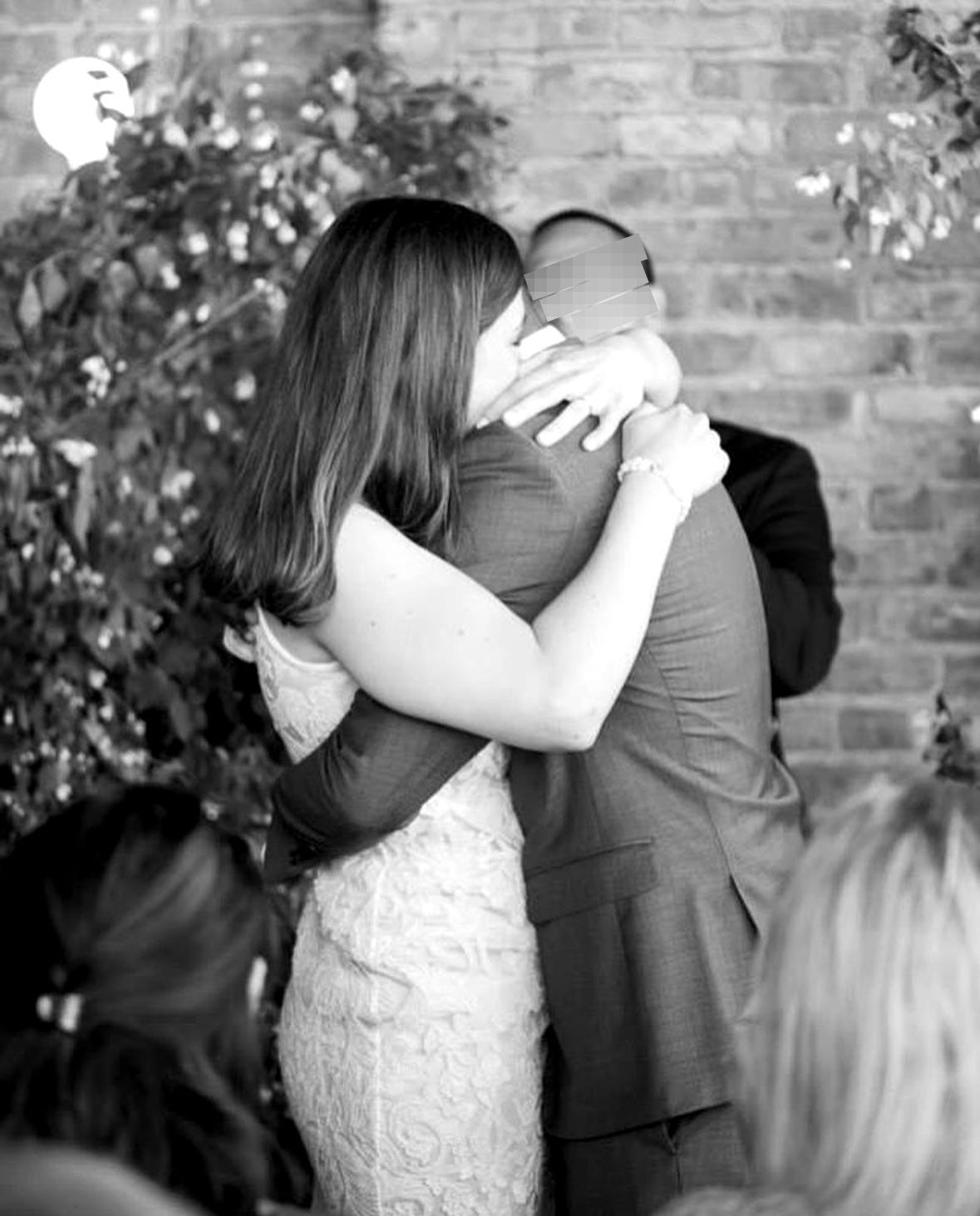
Perfect wedding, yes. But it wasn’t the perfect marriage. When I said yes to his proposal, I hadn’t felt certain that we had what it would take to sustain a long-term relationship. As two Type-A overachievers, we bumped heads constantly, awakening the worst in each other, one screaming match after another. But as a woman nearing 30, I had felt pressure to find someone and settle down. All my friends were doing it. I felt like I had to be next.
The first few years were exciting, filled with new experiences and adventure. We traveled to Southeast Asia on our honeymoon: Singapore, Cambodia, and Thailand. We went to Brazil, visited a few European countries, and celebrated our birthdays together at the same Brazilian restaurant in Williamsburg, where we had our first date; we were born on the same day, but five years apart.
But the leaky pipes of our relationship started bursting one by one when he accepted a job in Seattle the summer of 2017. It was a great opportunity, so we made a one-year plan to split our time between the West Coast and Brooklyn, sometimes together and sometimes apart. It was fun at first. We explored the Pacific Northwest, and it felt like we were growing together, but as we approached the one-year mark, he revealed it had never been a one-year plan for him.
He had hoped that I would come around to leaving the place where I had grown up to start over in Seattle, but he never came out and said it until our relationship was unraveling.
What I wanted, including returning to the life we had already built in NYC, never really mattered to him. I felt like I had been tricked into his life plan. Eighteen months into our bicoastal life, my husband came home to Brooklyn for the holidays.
“I want to get divorced,” he said, in the middle of an average fight.
I froze. I sat on the edge of our king-sized bed, put my head between my knees, and went silent.
I struggled to make sense of it. Was this really happening to me? He doesn’t sound sure. I don’t want to be a divorced person.
Although I had never seen my mom in a successful marriage (my parents divorced when I was six, and she divorced again when I was 22), I wanted my marriage to be different. I believed that meant working through these things and making a plan together. How had I ended up here?
We tried to work it out, but he had already made up his mind that day in our Brooklyn bedroom. After weeks of couples therapy, I began thinking about a future without him. I realized that I had ended up in a marriage that never truly made space for me. When he said, “I can’t make plans with you,” I realized I had to choose myself over trying to make it work with someone who had already been imagining his life without me.
“No goodbye hug or closure. Just his face on a screen, and with the tap of a red button, it was the end of that discussion, it was the end of us.”
A few days after he read those awful words to me from his iPhone Notes app, I packed my suitcase and booked a flight to JFK for the same or the next day (it’s blurry now). There was a storm the night I left Seattle in early February 2019; a thin layer of wet snow coated the sidewalk where I waited alone for an Uber outside our building in Capitol Hill. I remember standing in the doorway of our apartment, pulling my black roller suitcase behind me.
My pulse echoed through my body like a warning sign. I had to get out of there. All signs in my mind were pointing to the exit. He seemed worried, but he didn’t try to stop me. I had made one of the last flights out of Seattle before they were all canceled due to the stormy weather.
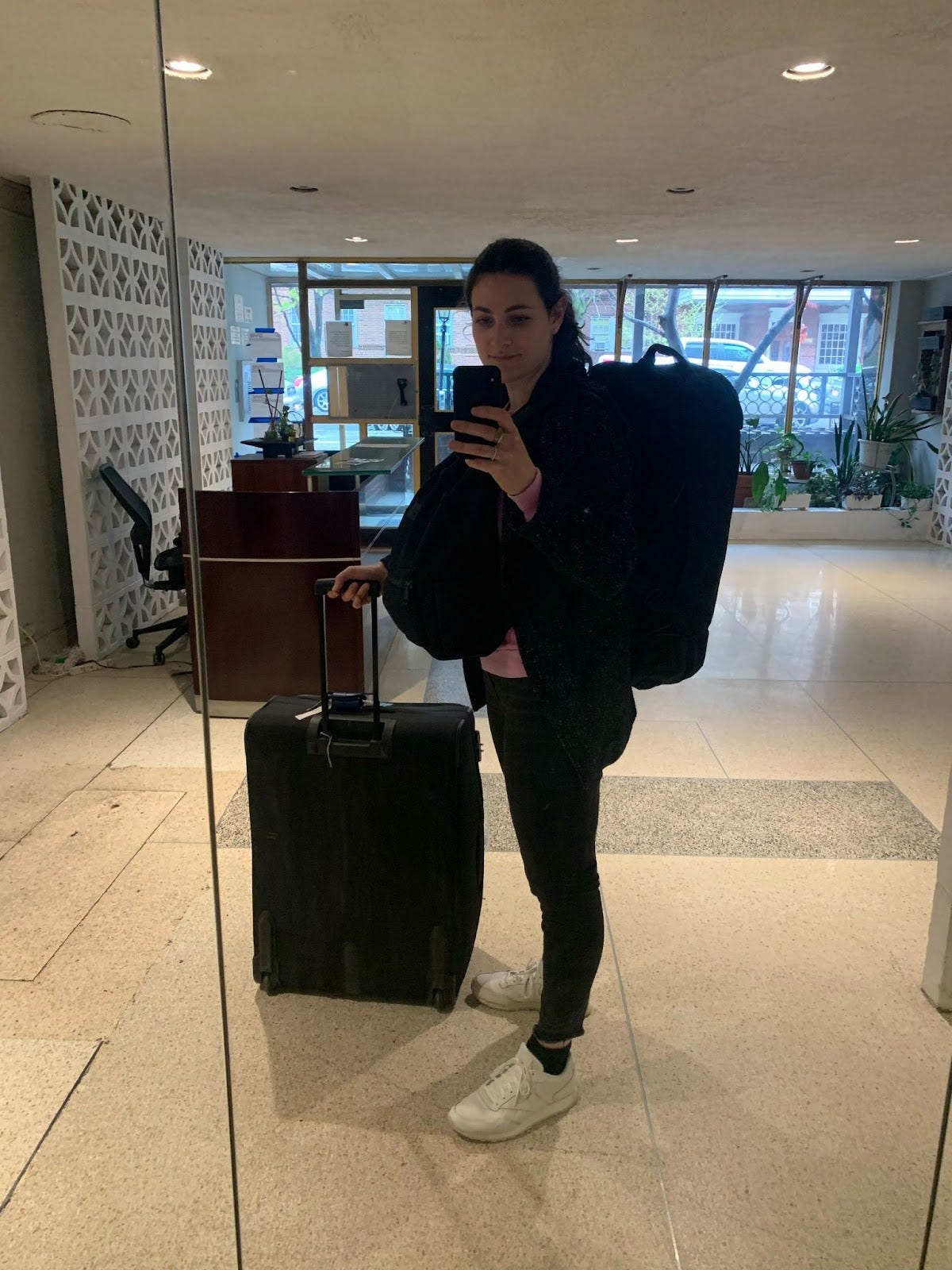
We had agreed in a recent couples therapy session to pick two weeks to spend apart, to let things breathe, to figure out how we both felt, but I couldn’t wait. I couldn’t stay any longer in a home where what I wanted didn’t matter.
I didn’t feel madly in love with him all the time, and sex wasn’t my highest priority. What hurt the most was that he didn’t want to make plans with me. I wanted my marriage to succeed. I wanted someone who would stand by me, make plans with me, and build a life with me.
Two weeks later, my husband called me on FaceTime from Seattle. I was sitting on the living room floor of my Brooklyn apartment with my back against the wall when I answered the call. He touched his face, and I noticed he had removed his thin, gold wedding ring. I can’t recall now how long we spoke, but it felt like only a few seconds had passed before he said, “We should get divorced,” this time with confidence.
That was the final conversation. No goodbye hug or closure. Just his face on a screen, and with the tap of a red button, it was the end of that discussion, it was the end of us. I thought he was a coward for the way he ended things, but I had also packed my bags and left Seattle two weeks earlier. After we hung up, I sobbed and video-called the same friend who was our witness at City Hall. But in retrospect, I was also relieved. I wasn’t brave enough to end things, so I’m glad he was.
Decoupling was easy. We had already started living separate lives in Brooklyn and Seattle, and we didn’t have kids. We shipped things to each other, and that was it. Five and a half years together, four and a half of which we were married, wiped out like it had never happened. I remember filling out the divorce papers, and in the field where it asked about the reason for divorce, I checked off “spousal abandonment,” but who had abandoned whom?
“All my friends were married and having kids. I was dragging my ex-husband’s suitcase through a new city, trying to figure out how to live alone again.”
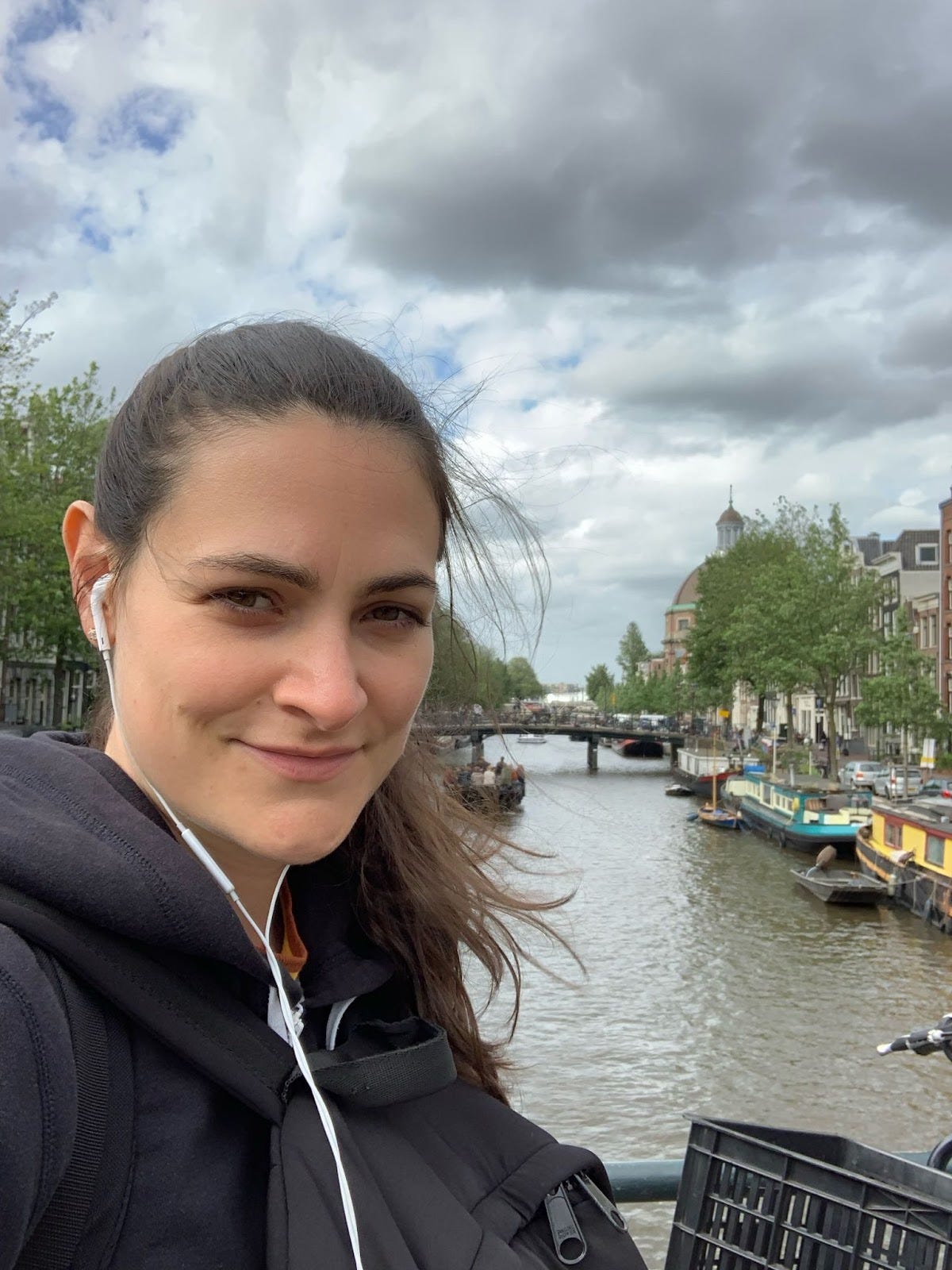
In the summer of 2019, six months after he had dumped me on FaceTime, I shoved our photos, my wedding band, and everything that reminded me of our failed marriage into a closet in my Brooklyn apartment before subletting it. I moved to Amsterdam on a whim (after what was meant to be a three-month solo Euro trip), with no long-term plans and the same black roller suitcase I had used the night I fled Seattle—the one he once used when he moved from Brazil to New York to start his life over.
I told people (and myself) that I was going to Amsterdam to explore my Dutch roots, but really, I was running away. I didn’t want to face the shame of a failed marriage or the emptiness of starting over at 33.
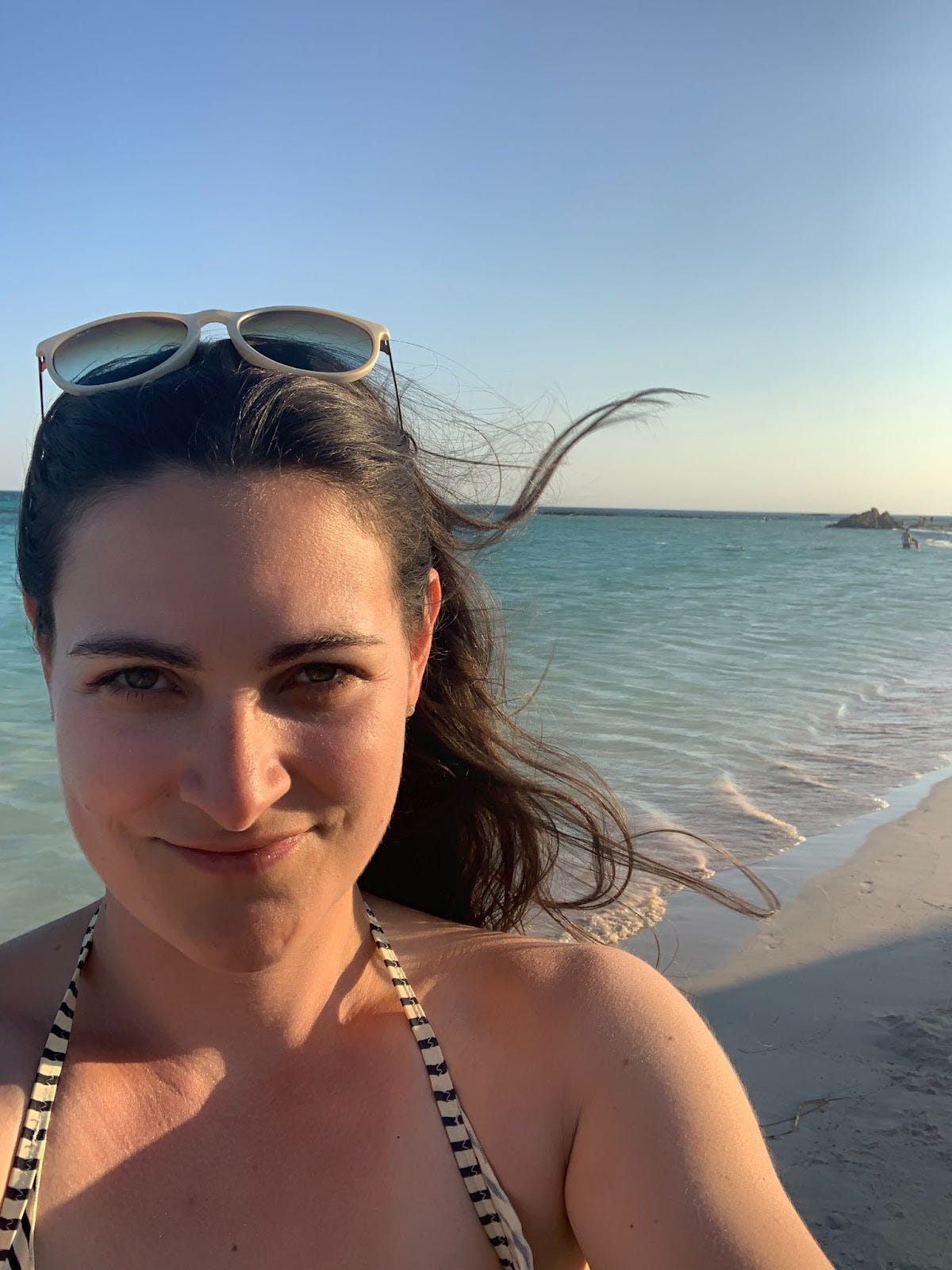
All my friends were married and having kids. I was dragging my ex-husband’s suitcase through a new city, trying to figure out how to live alone again. I didn’t know it then, standing in the doorway of our apartment in Seattle, but the life I wheeled away from that night wasn’t mine anymore.
I just didn’t realize I was already moving toward the one that was.
I'm sure this was all incredibly difficult at the time, but it sounds like it was absolutely the best thing that could've happened.
Dear Alexis,
Your story left me silent for a long while after reading it. It’s raw, honest, and achingly human, the kind of truth most people spend their lives hiding. The way you’ve written about loss, not as an ending but as the painful beginning of rediscovering yourself, feels deeply familiar.
That line, “I realised I had ended up in a marriage that never truly made space for me”, stayed with me. It’s a sentence that holds the weight of so many quiet heartbreaks. I know what that emptiness feels like, to be present in a life that keeps shrinking around you, to keep trying to fit into spaces that were never built for who you truly are.
In my own way, I’ve walked through similar shadows. The loneliness, the humiliation, the endless questioning of why life keeps breaking open, no matter how much you give, it all becomes part of the rhythm of surviving. I’ve learned that sometimes you stay long after love has faded, not out of weakness, but out of hope that something might still bloom again. But when it doesn’t, walking away becomes an act of self-respect, a quiet rebellion against your own disappearance.
The image of you dragging that suitcase through airports, through storms, and through new cities says more than words could. You weren’t just carrying your things, you were carrying your courage. You didn’t leave just a marriage; you left behind the version of yourself that kept waiting for permission to live.
What you wrote reminds me that even in loss, there is a kind of grace, that sometimes the most painful goodbyes are the ones that set us free.
Thank you for sharing your story. It’s a mirror for many of us who have loved, lost, and somehow found the strength to begin again. It reminds me that even in disconnection, we are not as alone as we think.
You aren't alone.
JacobM