



Hello!
Today I’m sharing a guest post from the archives by Edie Morgan, the writer behind Losing the Mothership, a place where Edie writes about her mom’s Alzheimer's journey and all the fun stuff along the way.
As someone currently experiencing the ambiguous loss and anticipatory grief that come with losing my mom to the long goodbye, I’m grateful for people/writers like Edie who are open to sharing their experiences. While this time of year is cheerful and filled with joy and gifts for many, for others, it’s simply a reminder of everything that has changed.
It can be a reminder of the things and people we’ve lost, or even parts of our former selves that we’re grieving. I miss the carefree days of my 20s and even my early 30s, the time when I still felt like I had a mom in the traditional sense. An independent one that I didn’t have to worry about. I miss calling her up and chatting about random things. I miss receiving birthday cards from her — the ones that play an annoying tune when you flip them open. Now and then, I pull out the last birthday card I received from her in 2019 (she’s no longer capable of sending them). It doesn’t sing anymore, but I like to look at her handwriting on the envelope and in the card. I miss cutting down the Christmas tree and decorating it with her… There is so much more that I miss about her, but that’s a topic for another day.
Loss, grief, and change are all inevitable in life. Hopefully, with loads of bright, happy, and exciting moments folded in, but we can’t have one without the other. Like Edie, I find writing about loss (about anything, really) both cathartic and therapeutic. Regarding my mom, most of it just lives in my journals, except for two pieces I’ve published. One’s about realizing I was mothering myself through making brownies, and the other is about my experience of tricking her into assisted living after her diagnosis.
Anyway, this is quickly turning into my own essay… I hope this guest post from Edie is a reminder that — whatever it is — it’s ok to grieve. It’s going to be ok, and also, get that shit out of your head by writing it down (even if you burn it immediately after writing).
My work is reader-supported — show your love and stay in the know.
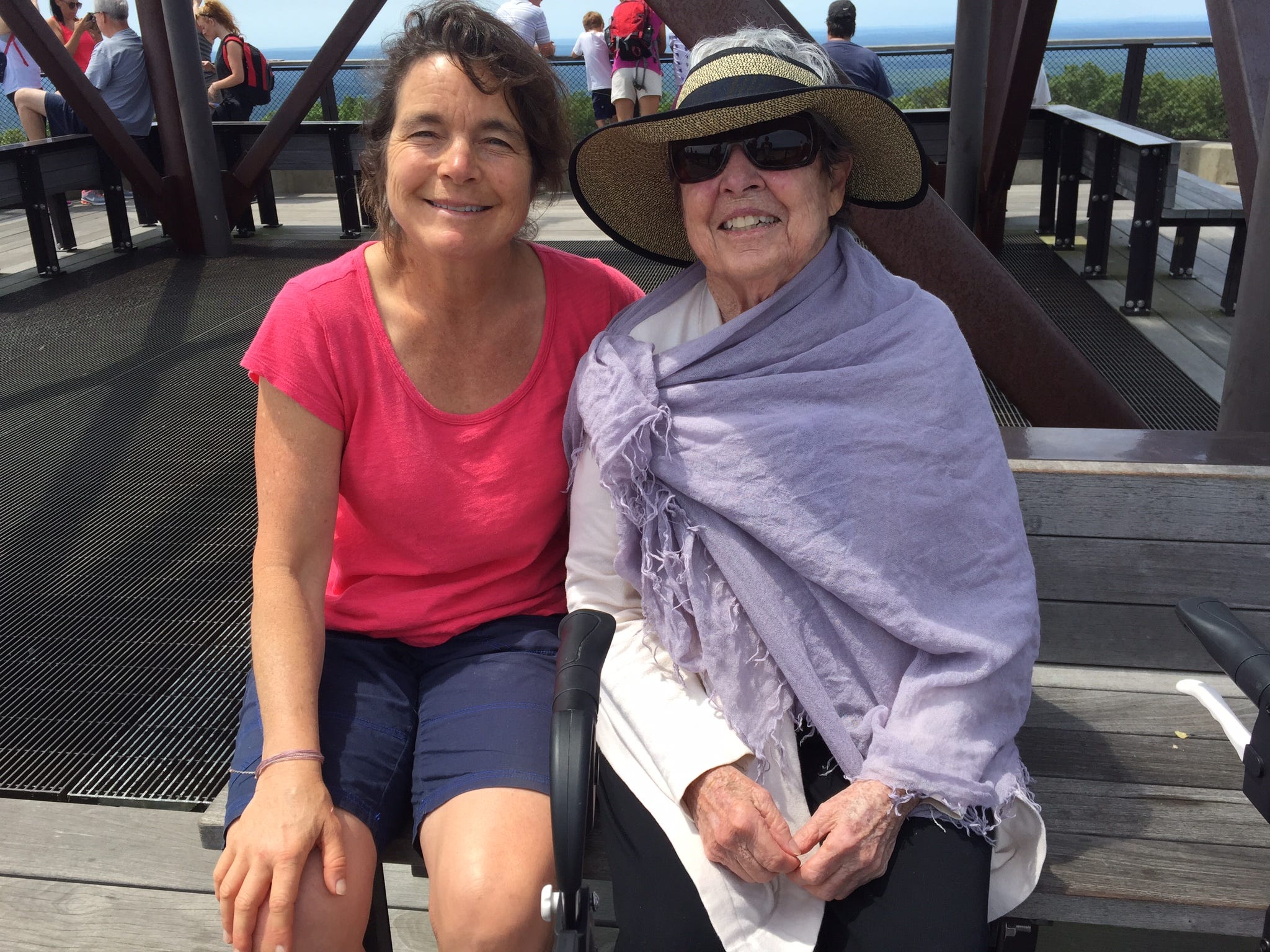
Guest post by Edie Morgan
“Grief is just love with no place to go.” —Jamie Anderson
The concept of using writing to heal is nothing new. I know it works, but I’ve never thought about how it works for me. It’s a worthy exploration. Before I get into it, a huge thanks to Alexis for inviting me to her zone of the substacksphere to work it out. And, hello all!
Now, back to grief. I’m not sure I have ever consciously written “through” grief, partly because it’s hard to write about something while you are mired in the thick of it.
Trudging through the swamp
It was an entire year after my mom passed away until I could start writing about her struggle with Alzheimer’s. I wrote this piece, which ran in The New York Times on Mother’s Day, a year after her passing. The response inspired me to write the rest of the story (at least my version of it) about our family’s Alzheimer’s journey. By then, I had the emotional distance to go back into the swamp and start excavating the emotions buried there.
Once I started, I realized I’d been writing through my grief all along. I had been recording raw details, events, and feelings, along with their related pain, uncertainty, fear, anger, confusion, guilt, and so many other demons. I had no plan other than offloading them from my head to the page, which felt like a safer place for them to live.
“Alzheimer’s serves up a unique protracted grief, in which you are grieving a person and a relationship that is still there, but missing so much of its essential elements.”
However disjointed or unrelated those notes to myself seemed in the moment, they served as little vent holes that kept me from blowing up or breaking down. It’s similar to the “clean-as-you-go” method in cooking—a little discipline that helps you avoid a big, daunting mess at the end of the night. The act of writing itself becomes a continual process of processing.
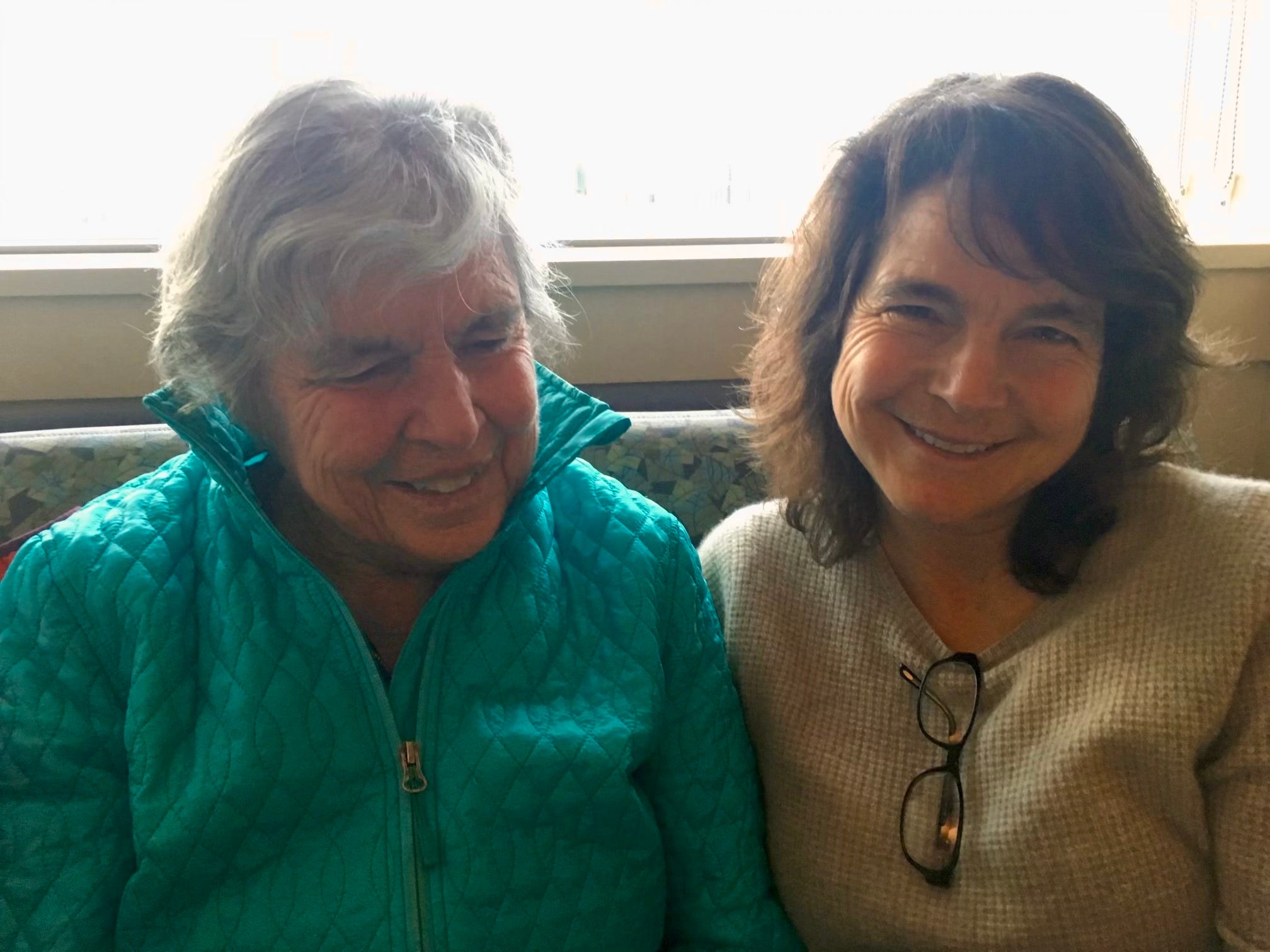
A sneaky protracted grief
The clean-as-you-go approach is especially helpful for the grief that comes along with Alzheimer’s and dementia. One discarded title of my yet-to-be-if-ever-to-be-published book about Alzheimer’s was Losing Parents Fast and Slow. It refers to losing my dad suddenly to a heart attack, followed by the slow, amorphous, inexorable loss of my mother through Alzheimer’s.
By the time our family recognized we were losing her, she was already gone. There was no definitive “goodbye”; not even the atrociously unsatisfying one we said to my Dad when we decided to “stop care” in the ICU, then watched him drift away in minutes rather than the years it would take my mom. Alzheimer’s serves up a unique protracted grief, in which you are grieving a person and a relationship that is still there, but missing so much of its essential elements.
Writing along the way keeps you from shoving all those unidentifiable emotions under the rug. It helps you acknowledge the dirt and grit as it accumulates, and because writing is deliberate, it also gives you some degree of control over what you will do with that mess.
Writing your own story
I recently happened upon this episode in Estelle Erasmus’s podcast. In it, trauma-informed writing teacher Lisa Cooper Ellison talks about how (and why) to write on difficult topics. Something that really resonated with me was her explanation of how writing helps form your story. She says:
“You write because something is unintegrated inside of you. There is a question that is not yet answered, and there is a story that is not yet built around your experience. You might have a lot of feelings around it. You don’t know what it means.”
This reminded me of something else I’ve learned about grief: It’s often hard to recognize until you are on the other side of it.
In a way, my writing career started as a way to mourn the loss of my career and identity as an athlete. This was well before anyone articulated the transition from sport as a grievable issue. It was also long before the creative and emotional outlets of email, blogs, or social media.
I took notes throughout my skiing career, recording thoughts in journals—to vent and simply to preserve details and chronicle events. I wrote about the bluebird days and heady successes on snowcapped peaks, the raucous fondue nights and cute boys and smoky discos; and also about freezing in crappy hotels and crappy vans, being scared shitless in sketchy conditions, so many injuries, failing like it was my job, and always navigating the tight-wire of emotions with teammates and coaches under high pressure to perform. Writing about it was like watching a movie while living it. It was also a clean-as-you-go way of calling out complex relationships and emotions I had no capacity then to understand.
When I retired from sports, I felt an unnamed emptiness while facing the next phase of my life, the blank pages of my unwritten story. I was invited to write a piece about watching the sport from the outside. I looked back at my “movie,” the clips of sadness, joy, anger, regret, and longing I’d called out along the way, and found that humor, too, ran through them. That first cathartic piece eventually led to a career in writing.
Writing helped me work out the feelings that were, as Lisa Cooper Ellison would say, “unintegrated inside of me.” They were grief, for a life I could no longer imagine living, yet missed terribly. Revisiting my notes and journals helped me see that some things might not have gone as I wanted, but others had also gone spectacularly well. It brought back the tough stuff but also much more good stuff that I might have lost forever.
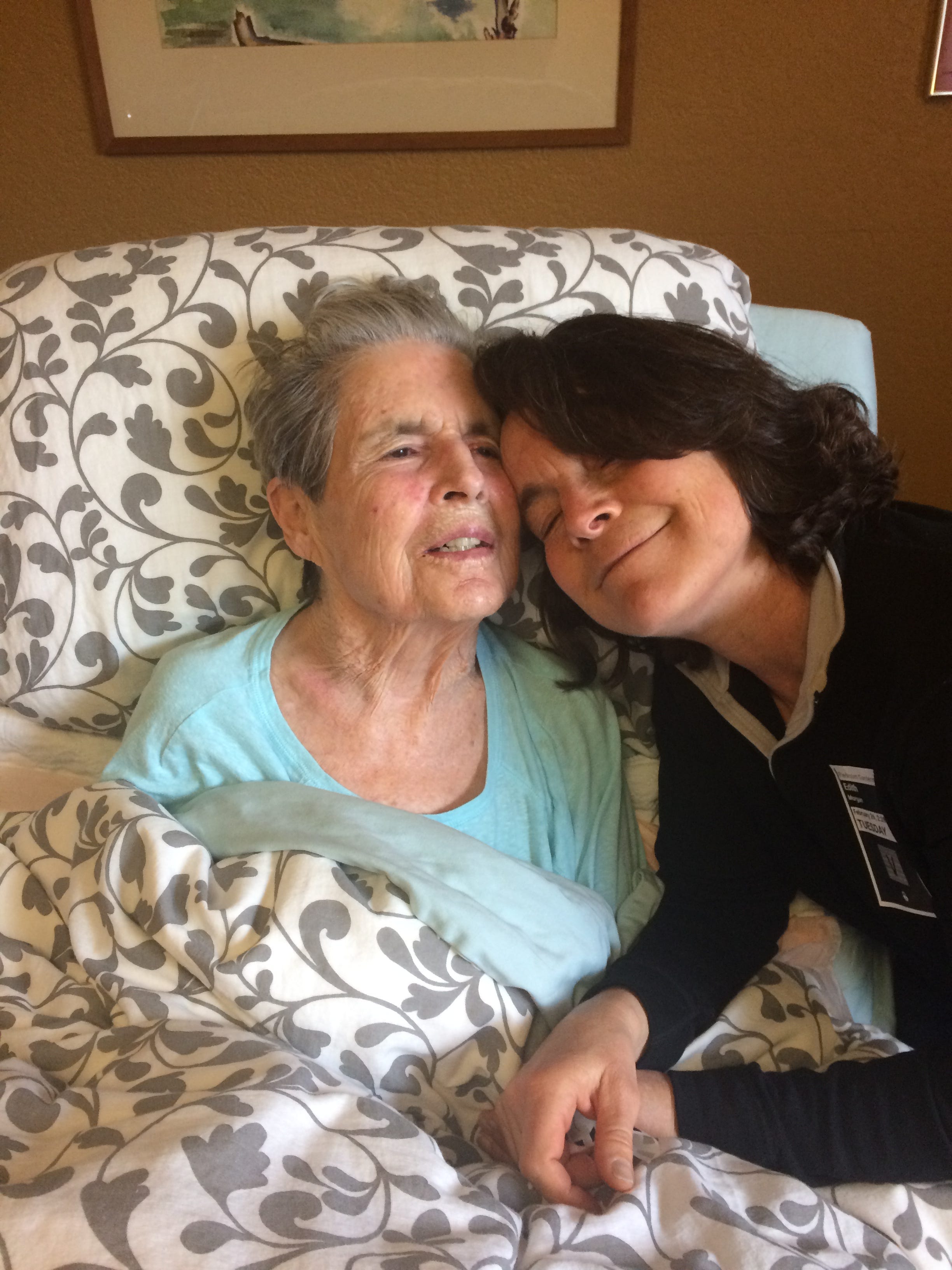
Cleaning to find meaning
Cleaning-as-you-go means recording little moments that resonate for unknown reasons, so you can chase down their meaning later. One time when my mom visited me, she saw a cardinal in a bush while we were waiting at the bus stop to pick up my kids. It was a bright red accent amidst a palette of November brown. Years later, upon any reference to my life in New Hampshire, she’d say, “I saw a red bird.” By then, she no longer remembered my kids’ names or even my name. “The cardinal?” I’d ask, and she’d light up as if she were seeing this prize again. “Yes!” she’d say triumphantly.
I never understood why this image stuck with her, but I wrote it down. When I had time and space to think about it, I wondered if retrieving that vivid memory and the name of the bird was a small victory for her. “The cardinal” was a proxy for all the indelible things in that moment, and now it is for me too. Seeing a cardinal, even on a piece of wrapping paper, reminds me of her visits, of her relationship with my kids, of their faces when they saw her getting off the school bus, and of the joy they brought each other.
My work is reader-supported — show your love and stay in the know.
Writing to grow
Writing expands your inner world by making it permeable. When people know you as “the writer,” they tend to bring you into their own stories. These invitations bring more connections, more perspective, and more ways to interpret your own feelings. Often, you realize whatever you’re going through is not that bad, or that it could be worse. That awareness helps, but can also be a stumbling block. I think about this a lot, feeling like my own grief isn’t big enough, worthy enough to share or highlight. I got to enjoy my mom in good health into her 70s. What about people with younger-onset Alzheimer’s? What about people who lost their parents much earlier in life? I got to experience the excitement of elite athletics on the world stage. How could I ever grieve an identity that few people are lucky enough to experience at all?
It’s a struggle to acknowledge grief when it feels little league. It’s also tempting, in clean-as-you-go, to just toss the ugly stuff you don’t understand or feel like dealing with, but when we excavate them, we uncover something important. Substacker Julia Turschen recently shared the message on a Post-It note that lives on her computer:
“Maybe it’s grief?”
It’s her reminder that whatever upset she’s feeling might have roots in grief. Grief is universal and unavoidable. It doesn’t have to be isolating as well.
Always a work in progress
I’ll never have a clean kitchen, and I will never have processed everything that needs processing. Just like in my fridge, there are surely things stacked up in corners that have become tenacious, maybe impossible to remove; but I know what’s in there, and I’ve kept a lot of it there for a reason. Like the stories we have inside us, someday it may make something delicious.
As a bonus, here is the full quote from Jamie Anderson.
“Grief, I’ve learned, is really just love. It’s all the love you want to give, but cannot. All that unspent love gathers up in the corners of your eyes, the lump in your throat, and in that hollow part of your chest. Grief is just love with no place to go.”
Thanks for reading!
See you soon,
Alexis
P.S. I recently found a few other essays and articles about grief, in case you feel like reading more, here they are:
