


Hello!
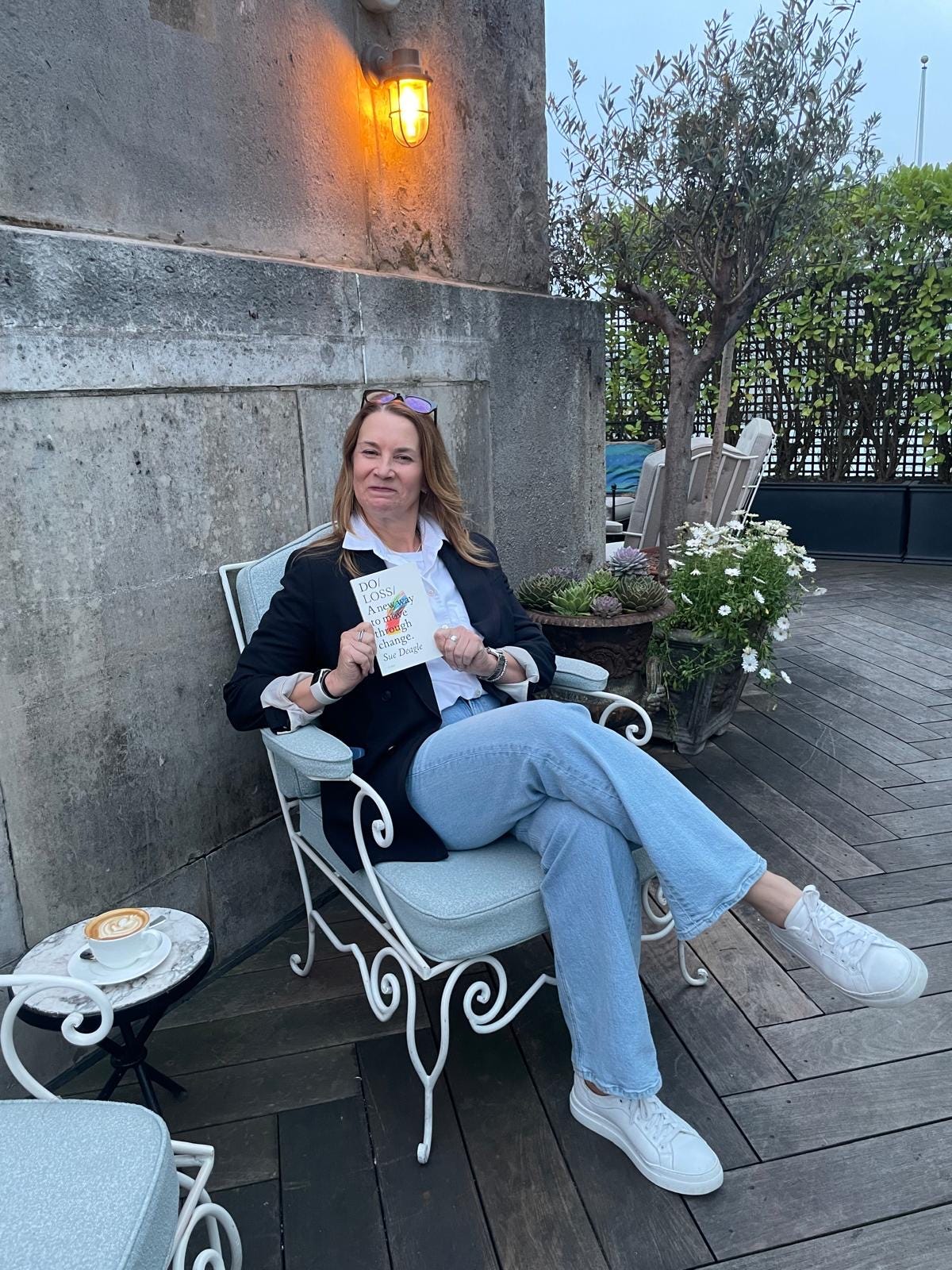
A few weeks ago, I read Do Loss in one sitting after attending a book talk at The American Book Center here in Amsterdam, which was the same afternoon I stood outside the bookstore to help a stranger who was having a heart attack (I wrote about that here). It was pretty ironic, considering that the author of Do Loss, Sue Deagle, lost her husband 10 years ago to a sudden heart attack.
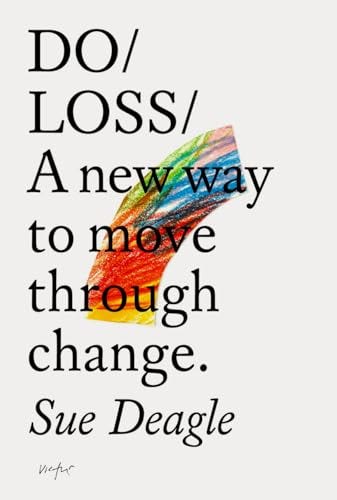
The book is a practical, reflective guide to navigating grief and life transitions, helping you integrate loss rather than “get over it” and build a meaningful life alongside it.
Sue’s approach to dealing with loss and holding “both/and” in grief stuck with me, so I wanted to speak to her directly, and fortunately, she was open to chatting.
In this conversation, we talk about how we don’t “move on” from grief, about living in-between, and about what it looks like to live a full (and happy) life while carrying all types of loss.
In your book Do Loss, you write about holding “both/and” in grief. What does that look like for you on a normal day?
I have a fundamental belief that you don’t get ‘over’ your losses — you integrate them into your life, into who you are. So a normal day for me, in the both/and sense, is living a rich and vibrant life, but knowing sometimes sadness, frustration, anger, despair… that these emotions can resurface at times I cannot predict. That is both perfectly normal and okay! I don’t fight this. I don’t love it, but I don’t fight it. I’ve lived through those emotions before, and I will live through them again and come out the other side.
I think people often want to squash these hard feelings. To not feel them at all. But letting them exist, letting them do their work, is important so we can integrate them and even accept them. I both live a vibrant life and am sometimes overcome with emotions. That just means I’m human.
I agree, integration the only way through it.
Many people are grieving someone who is still alive, through illness, distance, or changed relationships. What do you wish more people understood about that kind of grief?
I love this question because many people in a situation like the one you describe are not even framing their experience as a loss. They’re just wondering why life is so hard, why they cannot adjust to this in-betweenness, and therefore, they feel even more alone.
When we give language to our specific human experience — this type of loss is labeled “ambiguous loss” by Dr. Pauline Boss — we see how universal it is. We see others whose parents have dementia, we see others who are estranged from their families, and we see others whose relationships are unsteady but unresolved. Then we can see that our own experience of ambiguous loss is neither rare nor unusual. Others are going through similar things.
I think in the case of ambiguous loss, we don’t know when it will come to some sort of “end”, and this is incredibly hard on the nervous system. When can we move on to mourn what is fully gone, rather than be in limbo, with all its jump scares and sneak attacks? I think having the courage to talk to friends or therapists while you navigate ambiguous loss is critical. The support of others as we wander through the wilderness of ambiguous loss is paramount.
There’s so much pressure to “handle grief well.” What does unhelpful grief advice look like to you?
Unhelpful grief advice is just that — advice. I think we need to approach our consoling and support in a much more open-ended way. We are here to be alongside the humans who are suffering a loss, not to make them process it faster, cleaner, or in some way more socially acceptable or palatable, so we will not get infected by their sadness.
I think, as a general rule, people’s hearts are in the right place. I think we have to take that good intent and get more focused on the griever. How can we make this day better for them? Not tomorrow, next week, next year: TODAY.
That should guide our consoling. If the griever has questions about our experiences or seeks out specific advice, great. We can offer it. But the griever gets to lead this dance, and they are often just trying to get through today. Advice does not help you get through today: a lovingly baked lasagne, an offer to carpool their kids, or do the grocery run, that’s what gets people through today.
How do you know when to sit with grief versus when to gently push yourself back into life? Is there a signal, or is it always a bit of a guess?
So many times, we grievers want a roadmap: anything to help us move ahead and move out of the pain. But grieving is an individual exercise. We have to find what works for us. I think it is important to follow our own energy. If we are feeling exhausted and in despair, I think taking to our beds is perfectly fine. But when we see that our ruminating thoughts are going in circles, we need to dip our toe in the water of experimenting with ways to break the cycle. A simple walk around the block. A coffee with a friend. A trip to the grocery store. Low-risk experiments. We note what works for us, then expand or contract accordingly.
There is a lot of trial and error in navigating grief. We wish this weren’t so! How cruel, we’ve suffered a loss, and to move ahead with our lives, we have to sometimes try things that don’t work. Ouch! But fortunately, many things DO work, and we are in the process of discovering them. To accrue some small wins on our way to finding ourselves again.
I think I’m still in the early stages of all this, but I don’t have this feeling like I want to “move on”. It’s almost like staying here a bit longer is comforting. It’s a way to hold onto my mom. It’s sort of just a new evolving normal… I like that you challenge the idea of “moving on.” What does a healthy ongoing relationship with someone who has died actually look like?
My husband Mike — ten years gone now — is an active part of our everyday life. I was just telling a story about him this very morning to my gym partner, about what a kind and giving person he was. The kids and I also have him top of mind. My son just started a new job and is thinking a lot now about who his dad was, a businessman, and not just a dad. So this active sense is that, yes, he’s no longer physically with us on this planet, but he infuses what we do and how we think, and thus we are comfortable having him as part of our thought process. As we grow and change, he still has a place in our lives, especially as we enter new seasons.
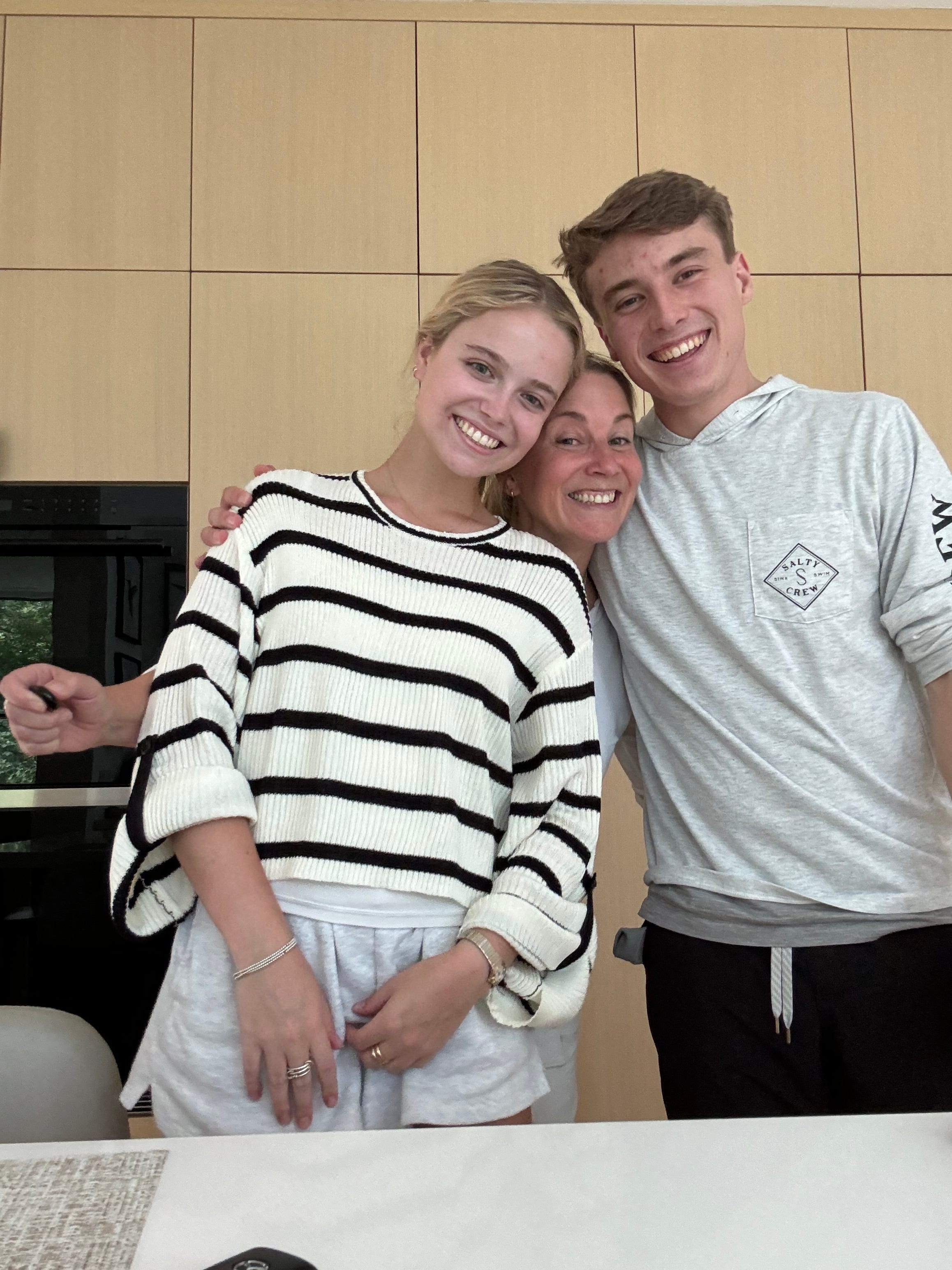
Yet, we could have done what our culture encourages: never speak of him again, put him on the back burner of our minds. But we’d miss so much that way! We’d miss keeping him alive in our hearts, honoring him, occasionally laughing at the silly things he did, even asking, “What would daddy think of this?” and then responding, “Oh, he’d hate that!” We keep him alive in our own way. This is one of the things I’m most proud of, that Mike is an ongoing part of us.
Some might think this process would make us sadder, because, you know, he’s missing. It does the exact opposite. We learn to live with his absence. We learn to ride the rollercoaster of grief that still shows up. We get to have him in our lives.
For someone in the thick of loss (exhausted, foggy, overwhelmed, feeling like everything is trivial, etc), what are 1–2 small things that, in your experience, can genuinely help (without feeling like a checklist)?
Anything that gets you out of your head. We really do need to step outside our minds. This is why “coping dirty” is one of my favorite plays in the “Cocoon: section of Do Loss. Coping dirty is finding relief or distraction. Endless rumination does us no favors. We need a break. For me, that was walking in the woods, or watching Star Wars movies, or going for a swim. For others, it might be crafting, gardening, or watching a sunset. Escaping our thoughts is sometimes necessary, and we should seek ways to do so that suit us best.
Grief often brings up unexpected emotions such as relief, resentment, numbness, and even moments of joy. In your experience, what’s the best way to make space for them?
We have to believe that no response is wrong. We are adapting; we will run through a series of emotions. Beating ourselves up just piles on to our loss. I think examining where these feelings come from, rather than rushing to judgment, is key.
I used to joke that, after Mike died, I was now free to make all the household decisions myself. I never had to confer or compromise. I labeled myself the “despot” of my household. A friend even got me a placard for my desk that said “Sue Deagle - Despot”. I enjoyed that freedom to be the sole decider! I wasn’t going to shame myself for finding some glimmer of joy and power within my catastrophic circumstance. I was going to lean into that. Into a place where I felt strong.
How has your understanding of grief changed over time? Was there a belief you held early on that you’ve since let go of?
I used to believe in closure, in grief coming to an end. In rainbows and unicorns and happiness, once you’ve made it through. Now, as we discussed earlier, I’m a believer in the both/and. I live a thriving life. I love and miss Mike. Most days, I am my energized, life-loving self. Some days — not often, but some days — I am in the ditch, missing Mike, or missing my kids now that I’m an empty nester, or even missing my friends at my corporate job that I left two years ago. This is life. We don’t close the door on our past losses. They are part of us, and so are the things we miss.
I think some losses can reshape our identities. Do you agree? If so, who were you before suddenly losing your husband to a heart attack, and who are you now?
I wholeheartedly agree! We will be transformed by our losses. The question is, are we transformed for better, or for worse? I knew what I wanted my answer to be to that question. So I searched, flailed, and found my way through. And now I am transformed for the better. How? I know the preciousness of life. I know showing our love early and often is essential. I know laughter is the best medicine. I know every day I have on this planet is filled with mystery and magic, and I’m grateful for every second of it. So, my worldview has evolved. And the thing about my journey is, I’ve found a level of aliveness after loss that I could never have anticipated. And by writing and sharing through my book, Do Loss, and my Substack, The Luminist, I deeply want that aliveness for everyone. I want that bigger life.
If someone reading this is quietly struggling with loss (any type of loss: a job, a loved one, a former version of themselves, etc) and hasn’t told anyone, what would you want them to hear today?
I would want them to know that if they feel more comfortable being alone in their loss, I do not want to force them out into the open. But one way to be in communion with others, as a first step, perhaps, is to tune in to some podcasts. I think this is a good toe-dip into human interactions. The two I would recommend are Anderson Cooper’s All There Is and Maya Shankar’s A Slight Change in Plans. Feeling not alone is a great first step. Hearing others’ stories on podcasts is a great way to let that in.
And on a personal note, I would want them to know that suffering is real, painful, and part of our lives. Just like our ability to heal, move forward, and eventually thrive. This isn’t some cockamamie idea from me. This is what the science says. Resilience is our default mode. Navigating through to thriving takes time, energy, and support. There is no timeline or stopwatch on this. We must follow our own journey. But I have 100% confidence we can all arrive on the other side.
Ok, last few questions… What are you reading right now?
I just finished reading Beth Ann Fennely’s An Irish Goodbye — a set of micro-memoirs. She’s the poet laureate of Mississippi and has such a way with words! Inspiring.
What are you working on right now, personally or professionally?
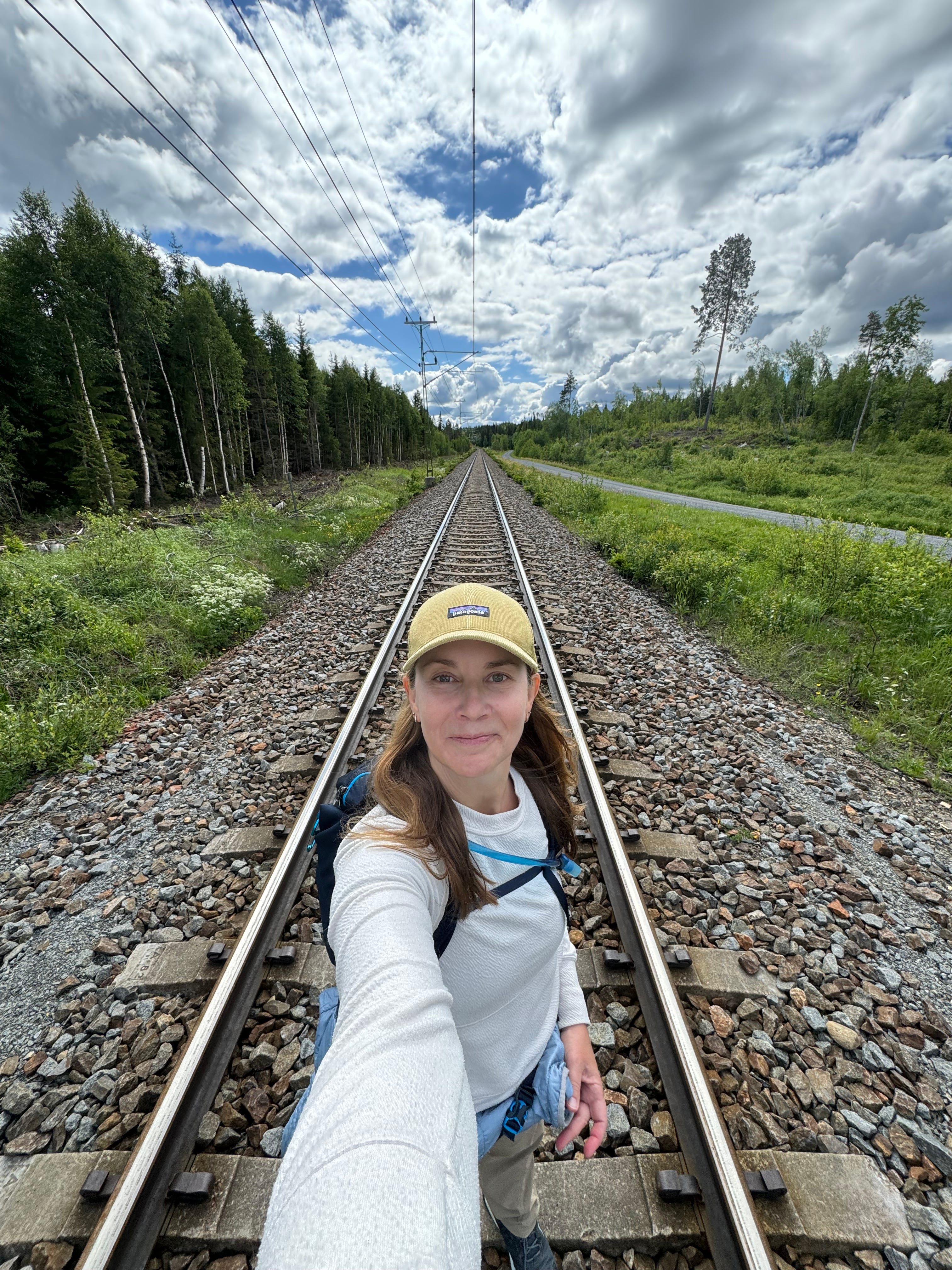
I consider writing my weekly Substack, The Luminist, as my day job, so that’s always on my mind and in a constant state of production. I just started a YouTube channel called The Loss Canon, where I publish short videos discussing books I’ve read during my ten-year journey through loss. And I’m in the outlining stages of a memoir called Midlife Pilgrim about a pilgrimage walk I did in Scandinavia in 2024. It’s a book about how we unwind all the layers we’ve accumulated over time and come back to ourselves. The opposite of a “coming of age” story. More of a journey into unknowing, unlearning, unleashing ourselves.
What’s your top tip for an aspiring non-fiction author?
Write AND Read! My Substack gives me an intentional deadline every week — I must produce something for my readers every Saturday. So that has given me a disciplined writing practice, which I think is critical. I don’t necessarily write every single day, but I do write every single week. That muscle memory sets in, and I improve over time with that practice.
Then, we must read to become better writers, too! I am a voracious reader of books, yes, but also newspapers and newsletters. Watching others write, observing their sentence structures, the way they land a chapter, their use of humor and emotion. It is an education every time we read. An education that makes our own writing better.
What did your writing process for Do Loss look like? Were you writing consistently, or did it come in waves?
I wrote pretty consistently, at least an hour or two a day. But also on the weekends, sometimes I would get inspired and just crank out an entire evening’s worth of writing. So I’d say it was a mix of discipline and inspiration.
Then I needed to do quite a bit of revising under my editor’s guidance, which made the book SO much better. Tighter, crisper. It’s a book on loss, so I did not want to linger in the maudlin and have it feel long and drawn out. I wanted to instill hope, and capture my voice, and the revision process was critical to this. It’s tough to revise! You have to accept that your drafts have a lot of room for improvement and try not to take this personally. Sometimes I succeeded with that, other times it was harder! But in the end, my editor made the book far better, and I know I’ll seek out this same kind of editor for my future books.
Was there a part of the book that felt especially difficult to write or that you almost left out?
It never gets any easier to reflect on how hard Mike’s loss was on my two kids and me in the early days. Now, ten years later, we are living rich and vibrant lives, but looking back on the early months after losing Mike will always be painful. But I want the reader to know the depths we were in, and the book is about the path forward. So sharing the vulnerability of that time is super important.
What has surprised you most about how readers have responded to the book?
I originally pictured the readers of Do Loss in two categories: those actively navigating loss, and those consoling. It turns out there is a third reader: those who have navigated loss in the past, and use the book as a reflection on all they have been through, and how they survived.
One reader noted that while she read, she realized she had created her own mindset, her own playbook, to navigate her journey through job loss, divorce, and the death of her parents. The book served as a mirror, allowing her to look back on her life and realize how strong she was.
She came away empowered. I had not anticipated this bit of magic! And I am thrilled that the book can serve this purpose too: as a moment of reflection on our strengths and abilities to navigate this universal aspect of the human condition. It gives us faith in our future, too. What a gift.
Thank you, Sue, for this enlightening conversation.
Readers, thanks for being here!
Take care,
Alexis
P.S. If you found this post interesting, make sure to subscribe to Sue’s Substack, The Luminist, and hit the ♡ button below to help others find this post (and so I know what’s resonating). To further support my work, considering upgrading your subscription. Thanks so much.